
Knee pain is one of the most common health complaints among Indians aged 50 years and above. It affects mobility, independence, and quality of life. With increasing life expectancy, sedentary lifestyles, obesity, and nutritional deficiencies, knee-related problems are rising rapidly in India.
This detailed article explains why knee pain is so common in Indians after 50, its causes, symptoms, diagnosis, prevention, and modern treatment options.
1. Why Knee Pain Is So Common in Indians After 50
Several India-specific factors contribute to higher knee pain prevalence:
🔹 1. Osteoarthritis (Most Common Cause)
- Wear and tear of knee cartilage.
- More common after 45–50 years.
- Women are at higher risk, especially post-menopause.
- Indians often develop osteoarthritis earlier compared to Western populations.
🔹 2. Lifestyle & Cultural Factors
- Sitting cross-legged for long hours.
- Squatting for toilet use.
- Climbing stairs frequently.
- Floor-based activities (cooking, prayer, social gatherings).
These habits increase stress on knee joints over decades.
🔹 3. Obesity & Weight Gain
- Urban lifestyle = reduced physical activity.
- Excess weight increases load on knees.
- Every extra 1 kg body weight adds 3–4 kg pressure on knees.
🔹 4. Vitamin D & Calcium Deficiency
- Very common in Indians despite sunlight.
- Leads to weak bones and joint pain.
🔹 5. Diabetes & Metabolic Disorders
- India has high diabetes prevalence.
- Diabetes increases inflammation and joint degeneration.
2. Structure of the Knee Joint (Understanding the Problem)
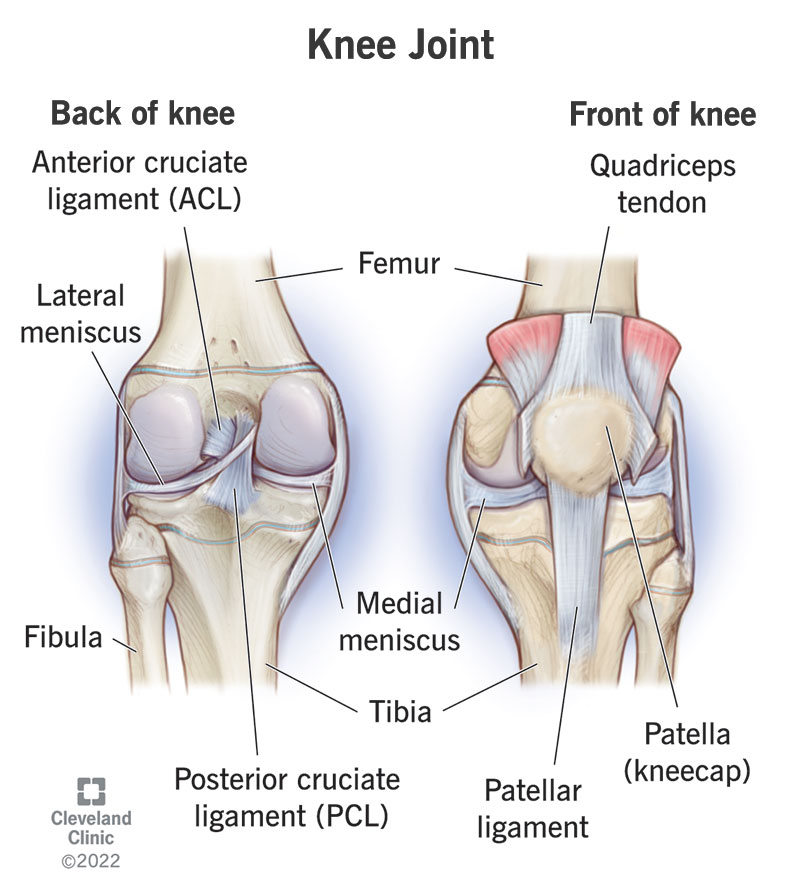


The knee joint consists of:
- Bones: Femur, Tibia, Patella
- Cartilage: Cushion between bones
- Meniscus: Shock absorber
- Ligaments: Provide stability
- Synovial fluid: Lubricates joint
When cartilage wears out, bones rub against each other → causing pain and stiffness.
3. Common Causes of Knee Pain After 50
1️⃣ Osteoarthritis (70–80% cases)
- Gradual pain
- Morning stiffness
- Crackling sound (crepitus)
- Difficulty climbing stairs
2️⃣ Rheumatoid Arthritis
- Autoimmune disease
- Swelling in both knees
- Morning stiffness > 1 hour
3️⃣ Gout
- Sudden severe pain
- Red, swollen joint
- Common in men
4️⃣ Meniscus Tear
- Twisting injury
- Locking of knee
5️⃣ Ligament Degeneration
- Weakness and instability
4. Symptoms to Watch
- Pain while walking
- Difficulty standing after sitting
- Knee swelling
- Reduced range of motion
- Bowing of legs in advanced stages
- Night pain in severe cases
⚠️ Consult a doctor if:
- Swelling persists > 3–5 days
- Fever with joint pain
- Sudden severe pain
- Knee gives way frequently
5. Diagnosis
Doctors may advise:
6. Stages of Knee Osteoarthritis


- Grade 1: Mild wear
- Grade 2: Joint space narrowing begins
- Grade 3: Moderate cartilage loss
- Grade 4: Bone-on-bone (severe pain)
7. Treatment Options
Treatment depends on stage and severity.
🔹 A. Non-Surgical Treatment (Early & Moderate Cases)
1. Lifestyle Modification
- Avoid prolonged squatting
- Use Western toilet instead of Indian toilet
- Avoid sitting cross-legged
- Use knee support if needed
2. Weight Reduction
- Even 5–10% weight loss significantly reduces pain
3. Physiotherapy
- Quadriceps strengthening
- Hamstring stretching
- Low-impact exercises like cycling, swimming
4. Medications
- Paracetamol
- NSAIDs (under doctor supervision)
- Topical gels
5. Supplements
- Calcium
- Vitamin D
- Glucosamine (evidence varies)
6. Injections🔹 B. Surgical Treatment (Advanced Stage)
1. Arthroscopy
- For meniscus repair
2. Partial Knee Replacement
3. Total Knee Replacement (TKR)
- Most common surgery in elderly
- High success rate (90–95%)
- Recovery: 4–8 weeks for walking support
8. Prevention Strategies (Very Important for Indians)
✔ Daily 30-minute walk
✔ Strength training twice weekly
✔ Maintain BMI < 25
✔ Adequate sunlight exposure
✔ Balanced diet rich in:
- Milk, curd, paneer
- Green leafy vegetables
- Almonds, sesame seeds
- Protein (dal, eggs, fish)
✔ Avoid prolonged sitting
9. Exercises Beneficial for Knee Pain
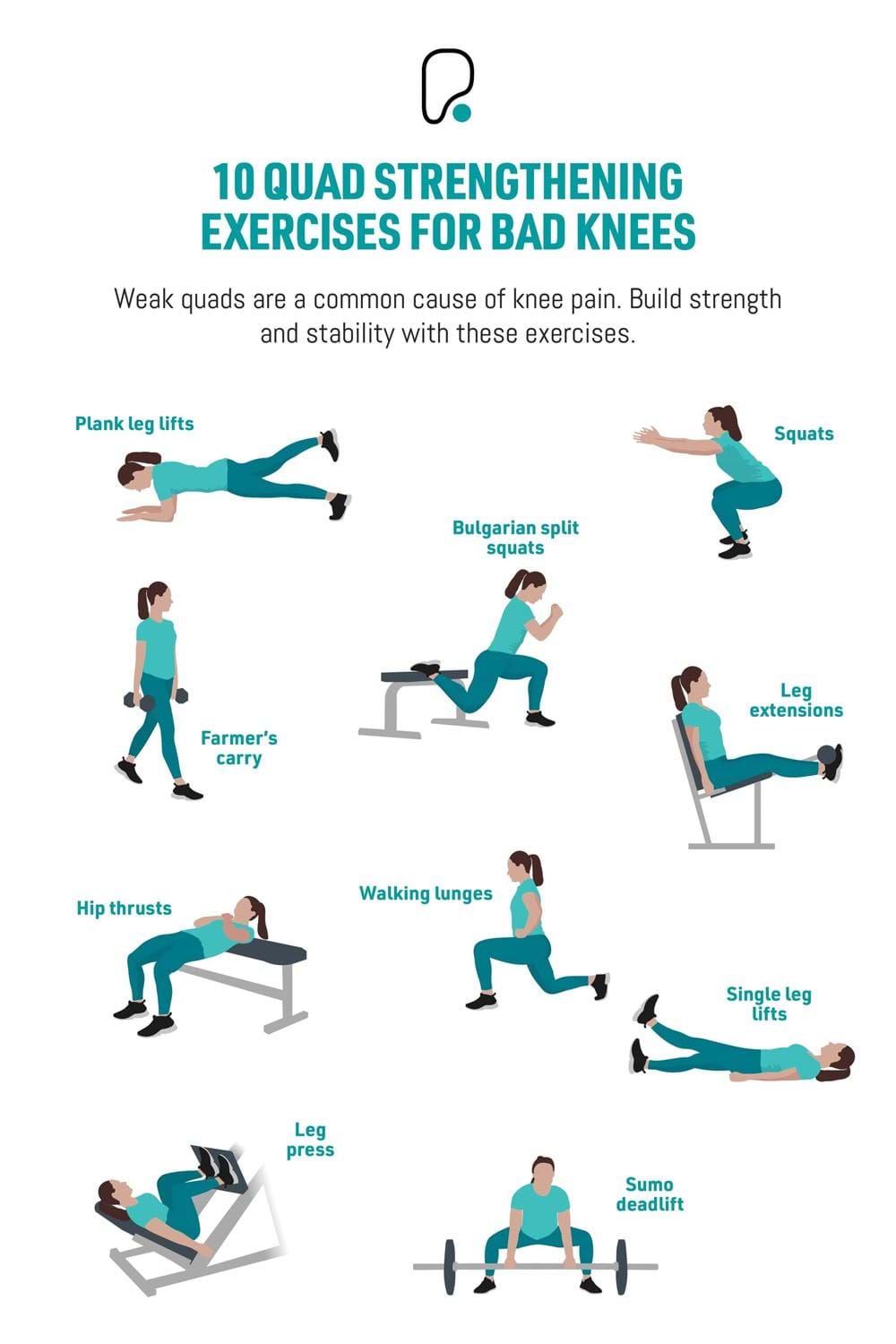


Safe Exercises:
- Straight leg raise
- Wall-supported mini squats
- Heel slides
- Stationary cycling
❌ Avoid:
- Deep squats
- Jumping
- Running on hard surface
10. Myths vs Facts
| Myth | Reality |
|---|---|
| Knee pain is normal with age | Pain is common but treatable |
| Walking worsens arthritis | Moderate walking is beneficial |
| Surgery is unsafe | Modern TKR is highly successful |
| Painkillers are the only option | Physiotherapy is crucial |
11. When to Consider Knee Replacement?
- Severe pain affecting daily life
- Pain even at rest
- X-ray shows Grade 4 OA
- Failed conservative treatment for 6 months
12. Psychological Impact
Chronic knee pain leads to:
- Depression
- Social isolation
- Reduced productivity
- Dependency on family
Early treatment improves not just mobility, but mental health.
13. Future Trends in India
Conclusion
Knee pain in Indians aged 50+ is extremely common, primarily due to osteoarthritis, lifestyle habits, obesity, and nutritional deficiencies. However, it is not something one must simply accept as a part of aging.
With early diagnosis, weight management, physiotherapy, and modern medical treatments, most people can live active, pain-free lives even after 60 or 70 years.
To get an Expert Doctor consultation, you may visit Herstel Care Clinic, Garia, Kolkata.